
People involved in the CellBeat consortium
Inserm
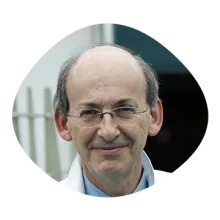
Dr. Philippe Menasché is a clinical cardiac surgeon at the Hôpital Européen Georges Pompidou, Professor of Thoracic and Cardiovascular Surgery at the University of Paris-Cité and responsible for an INSERM research team (UMR 970-Paris Cardiovascular Research Center). The group has a long-standing interest in basic and clinical research on stem cells for the treatment of heart failure. The more specific involvement of the laboratory in the CellBeat project will entail the performance of experiments in a pig model of myocardial infarction to assess whether the test cardiomyocytes developed by the other consortium partners have the ability to mitigate engraftment arrhythmias which remain a major bottleneck of current cardiomyocyte transplantation studies.
Institute for Experimental Medical Research
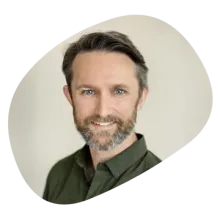
Originally from Nova Scotia, Canada, William Louch received his PhD in Pharmacology from Dalhousie University in 2001. Following postdoctoral positions at the University of Leuven, Belgium and the University of Oslo, Norway, Louch became Professor of Medicine at the University of Oslo in 2015. His research group studies the structure and function of cardiomyocytes, with particular focus on functional units called dyads. Here, membrane invaginations called t-tubules interface with ryanodine receptors in the sarcoplasmic reticulum to trigger calcium release and cellular contraction. Louch’s group have shown that dyads exhibit impressive plasticity, as they are assembled gradually in the developing heart, and can be grown during compensatory cardiac remodeling to augment calcium homeostasis. However, during diseases such as heart failure, dyads disassemble as they regress to an immature phenotype, resulting in decreased power of the heartbeat. Based on these insights, Louch’s group endeavours to develop novel cellular therapies for cardiac disease.
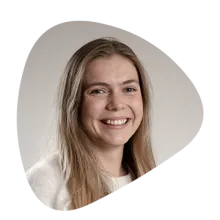
Anna Bergan Dahl recently obtained her PhD in Medicine and Health Science at the Faculty of Medicine at the University of Oslo and Oslo University Hospital, through work on regulation of Ca2+ release and recycling in cardiomyocytes. She currently works as a researcher at the Institute for Experimental Medical Research at Oslo University Hospital, where she specializes in super-resolution imaging and the structure and function of cardiomyocytes. Her work is focused on cardiomyocyte biology, cardiac tissue culture, contractile function, and various imaging modalities of cardiac tissue in health and disease.
Leiden University

Dr. Roxanne Kieltyka is the project coordinator of CellBeat. She is an associate professor at Leiden University in the Netherlands working with supramolecular and covalent polymer materials for various 3D cell culture applications. She has been named as one of the Talented 12 by the American Chemical Society’s (ACS) Chemical and Engineering News in 2018 for her work on supramolecular biomaterials directed towards the culture of human induced pluripotent stem cells and their derivatives. She is a recipient of an ERC Starting Grant, and has published >35 works in the area of chemical biology.
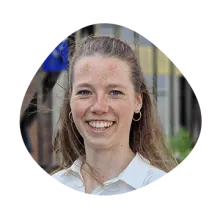
Suzanne is doing her PhD in Supramolecular & Biomaterials Chemistry within the Leiden Institute of Chemistry at Leiden University. Her research focuses on the design and application of supramolecular hydrogels in 3D cell culture. Her research focuses on the fabrication of supramolecular biomaterials. She works with various cell lines, including human induced pluripotent stem cells and their derivatives, and studies the interactions between cells and their environment.
Universita di Padova
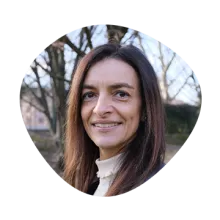
Milena Bellin is Professor of Genetics at the University of Padova (Italy) and Leiden University Medical Center (The Netherlands). Her research focuses on human iPSC technology to model inherited cardiac diseases. She develops advanced 2D and 3D cardiac models to investigate molecular mechanisms of arrhythmias. Integrating genetics, electrophysiology, and tissue engineering, her team aims to identify novel therapeutic targets and develop platforms for safety pharmacology. During her career, she has been granted with a Marie Curie fellowship (2012), FEBS Anniversary Prize for outstanding achievements in Biochemistry and Molecular Biology (2016), and an ERC Consolidator Grant (2020). She is part of the Institute for Human Organ and Disease Model technologies. She sits on several scientific advisory boards and reviewing panels. Her research is supported by national and international bodies and private foundations (European Research Council, Italian Ministry of Education and Research, Friedreich’s Ataxia Research Alliance).
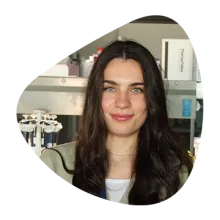
Federica recently obtained her PhD in Genetics, Genomics, and Bioinformatics from the Department of Biology (DiBio) at the University of Padova, in the Stem Cells and Cardiac Disease laboratory. Her research interests focus on advanced tissue and disease modelling using hiPSC-derived cardiac cells and innovative 3D multicellular cardiac systems, such as cardiac microtissues. She investigates the molecular and cellular mechanisms driving cardiomyopathy associated with Friedreich’s ataxia, a rare inherited disorder, aiming to improve understanding of this condition and facilitate the development of targeted therapies.
University of the Balearic Islands / Functional Organic Systems Group
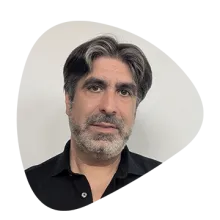
Tomeu Soberats obtained his PhD in organic and supramolecular chemistry from the University of the Balearic Islands (2005–2010), receiving the outstanding doctoral award. He then completed two postdoctoral research tenures at The University of Tokyo (2011–2015) and the University of Würzburg (2015–2017). He later returned to the University of the Balearic Islands, where he is currently Associate Professor.
His research output includes 4 patents and over 50 publications in international journals, with more than 3,200 citations. He has also presented his work at over 40 conferences during the last 10 years.
His most significant contributions include advances in the fields of supramolecular polymers and liquid crystals. In the area of liquid crystals, his research focuses on the development of functional dye assemblies and dynamic responsive systems. Within the framework of the CELLBEAT project, his team is developing stimuli-responsive liquid-crystalline arrays.
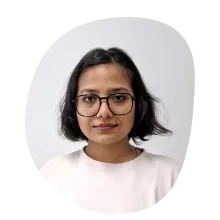
Alakananda Patra holds a PhD in the Synthesis of Discotic Liquid Crystals from RRI, Bengaluru, and is currently a postdoctoral researcher specializing in functional organic systems within the Self-Assembly & Liquid-Crystalline Materials laboratory at the Universitat de les Illes Balears. Her research centers on designing stimuli-responsive polymers and functional porous architectures for advanced material applications. As an experimental scientist, her expertise encompasses complex chemical synthesis, precise fabrication methodologies, and advanced material characterization. She actively collaborates across disciplines to drive innovation in dynamic material technologies.